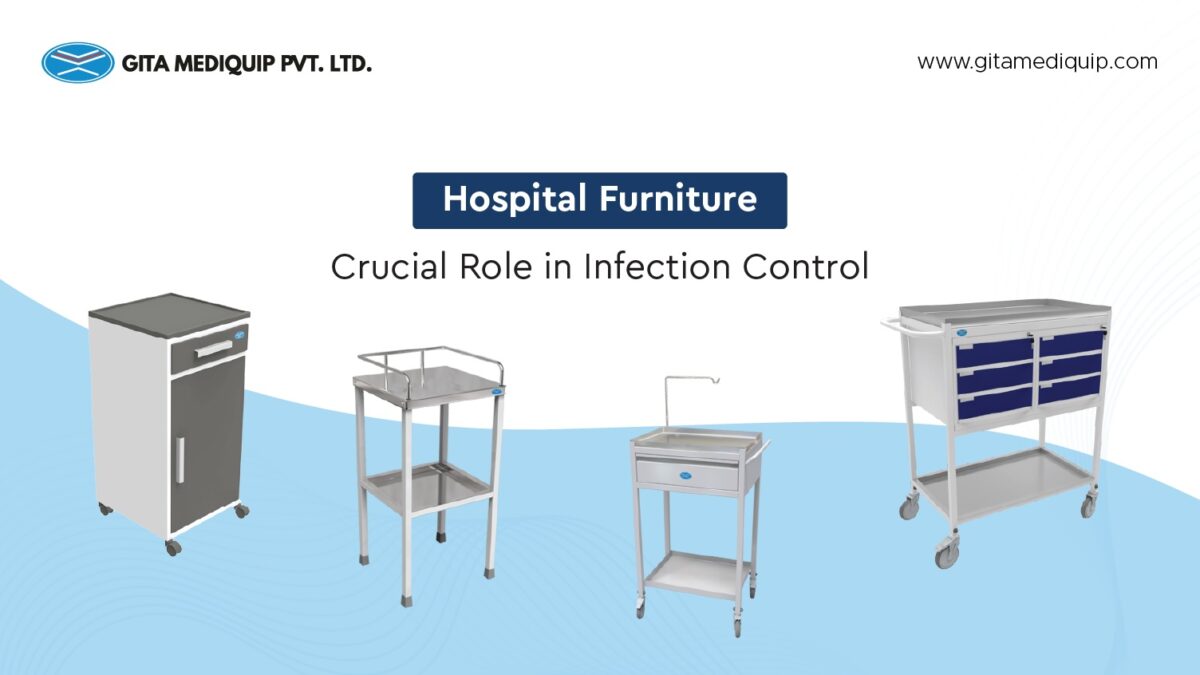
One of the biggest priorities in any healthcare facility is infection control. Hospitals can be prone to causing infections in patients if not maintained with the utmost care. Hospitals treat patients with chronic illnesses, weak immune systems, open wounds, etc; making them more vulnerable to infections. While the hospital follows stringent medical protocols to maintain hygiene, sterilization, and PPE, one overlooked factor is hospital furniture. While staff, visitors, and patients constantly interact with hospital furniture, it is crucial to ensure that the furniture is infection-free and that the environment remains hygienic and safe. This blog explains in detail why infection-free hospital furniture is of utmost significance.
The Role of Hospital Furniture in Infection Control
Hospital furniture is a constant point of contact for patients, visitors, and staff. Many patients visit a hospital in a day, occupying waiting chairs, beds, and consulting chairs. The constant use of hospital furniture creates a hub for viruses and bacteria that can persist for prolonged periods if not cleaned properly. Moreover, an uncleaned furniture surface can transfer microbes and infections to the next person who touches it. However, a hospital furniture manufacturer designs furniture with robust materials, non-porous surfaces, smooth finishes, and easy-to-clean surfaces, which help minimize contamination and the spread of infection.
How Hospital Furniture Affects Infection Rates
Improperly maintained and unhygienic furniture can spread infections such as C. difficile, MRSA, and COVID-19, thereby directly affecting infection rates. Damaged or poorly designed furniture allows bacteria to thrive. On the contrary, antimicrobial, non-porous, and seamless furniture minimizes cross-contamination and significantly reduces hospital-acquired infections (HAIs).
How the Materials of Hospital Furniture Reduce Infection Risks
The materials and surface finishes of furniture play a significant role in preventing infections in hospitals. Some of the best materials used in hygienic hospital furniture are high-quality mild steel (MS) with a robust protective coating. These materials, when used in hospital beds, provide long-term use in hospital environments and support frequent cleaning.
The hospital furniture is constantly exposed to moisture, heavy use, and disinfectants. It becomes a staple to select hospital furniture for infection control that has non-porous surfaces to restrict bacterial buildup, materials that are easy to clean and durable enough to withstand harsh cleaning agents, and finishes that are pre-treated or epoxy powder-coated to prevent microbial growth.
Adhere to Strict Cleaning and Maintenance
Despite the sturdy, modern hospital furniture with smart design and infection-resistant materials, regular cleaning remains a top priority. Even the best infection-free furniture and a plain hospital bed require proper and regular maintenance. Hence, cleaning and maintaining hospital equipment and furniture with hospital-grade disinfectants is non-negotiable. Follow a strict cleaning protocol for high-touch areas, replace damaged furniture immediately, train hospital staff in best hygiene practices, and use disposable covers as needed to minimize contamination.
Conclusion
Infection-free hospital furniture makes patients feel safer, looks hygienic and professional, and also reduces maintenance costs. Well-maintained furniture builds trust and credibility. Injection-free ward care furniture. It not only shields patients but also supports medical staff, fostering a clean, hygienic standard across healthcare environments. Choosing the right infection-free hospital furniture is essential in modern healthcare settings to improve healthcare outcomes and create a healthier environment for everyone.